

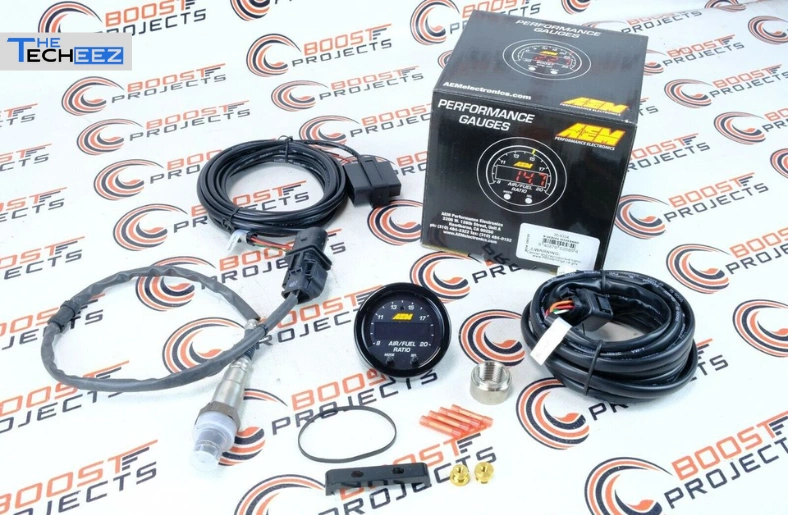
Introduction: Understanding Piggyback Tuning Software
In today’s automotive world, tuning software has become essential for maximizing vehicle performance. These programs allow enthusiasts and professionals alike to adjust engine parameters, optimizing fuel delivery, ignition timing, and boost control. The right tuning can unlock hidden horsepower, improve throttle response, and even enhance fuel efficiency.
Piggyback tuning software stands out because it works alongside your vehicle’s existing ECU (Engine Control Unit) rather than replacing it. This approach makes modifications reversible and generally safer for the engine. By intercepting and adjusting signals, piggyback systems allow precise control over performance without overwriting factory settings.
For modern vehicles, tuning is more than a hobby—it’s a way to adapt engines to specific driving conditions, aftermarket upgrades, or personal preferences. With increasing complexity in stock ECUs, piggyback tuning software provides a flexible, user-friendly solution for drivers seeking measurable improvements while maintaining engine reliability.
How Piggyback Tuning Software Works
Piggyback tuning software functions as an intermediary between your vehicle’s factory ECU and the engine’s components. Its key components include signal interceptors, sensors, and a processing module that adjusts parameters such as fuel delivery, ignition timing, and boost levels in real time. This allows for precise tuning without directly altering the stock ECU.
The software interacts with the factory ECU by reading incoming and outgoing signals, modifying them, and sending the adjusted signals back to the engine. This means the original ECU retains its safety protocols and baseline settings while the piggyback system fine-tunes performance. As a result, changes are generally reversible, and the risk of damaging the engine is minimized.
Unlike standalone ECU tuning, which replaces the factory ECU entirely, piggyback tuning software works alongside it. Standalone systems require extensive programming and often void warranties, whereas piggyback solutions offer a safer, plug-and-play approach. This makes them especially appealing for enthusiasts who want measurable performance gains without compromising engine reliability.
Benefits of Using Piggyback Tuning Software
One of the primary advantages of piggyback tuning software is the noticeable improvement in engine performance and responsiveness. By optimizing fuel delivery, ignition timing, and boost control, the engine reacts faster to throttle inputs, providing smoother acceleration and increased overall power.
Another key benefit is enhanced fuel efficiency. With precise control over engine parameters, the software can reduce unnecessary fuel consumption while maintaining performance, making it a practical solution for both daily driving and spirited performance.
Perhaps most importantly, piggyback tuning allows safe and reversible modifications. Since it works alongside the factory ECU without overwriting its settings, adjustments can be fine-tuned or removed entirely without long-term effects on the engine. This balance of performance and safety makes piggyback tuning software a popular choice for enthusiasts and professionals alike.
Key Features of Piggyback Tuning Software
When selecting piggyback tuning software, certain features can significantly enhance the tuning experience. Real-time monitoring and logging are essential, allowing users to track engine performance, identify issues, and make data-driven adjustments on the fly.
Adjustable fuel, timing, and boost maps are another critical feature. These controls let drivers fine-tune their engine for specific driving conditions or aftermarket upgrades, ensuring maximum performance without compromising safety.
Finally, a user-friendly interface is crucial for both beginners and experienced tuners. Intuitive software reduces the learning curve, making it easier to navigate complex settings while still offering advanced options for professional users. Choosing software with these features ensures an efficient, effective, and enjoyable tuning experience.
Choosing the Right Piggyback Tuning Software
Selecting the right piggyback tuning software begins with ensuring compatibility with your vehicle’s make and model. Not all systems work across different engines, so verifying support for your specific ECU is essential for a smooth tuning experience.
Ease of installation and setup is another important factor. Software that offers straightforward, step-by-step guidance allows users to quickly get their vehicle running optimally without professional intervention, saving time and reducing potential errors.
Finally, consider community support and software updates. Active user forums, responsive customer service, and regular software improvements can help troubleshoot issues, access new features, and keep your tuning system up to date with the latest vehicle technologies. A well-supported software ensures long-term reliability and performance.
Installation and Setup Guide
Installing piggyback tuning software is generally straightforward, but following a structured approach ensures optimal results. Start by carefully connecting the hardware to your vehicle’s ECU, following the manufacturer’s step-by-step instructions. Many systems include a guided setup process through the software itself, making initial configuration easier.
Be mindful of common mistakes, such as improperly connecting sensors, skipping firmware updates, or ignoring compatibility checks. These errors can lead to inaccurate tuning data or suboptimal performance, so double-check connections and settings before proceeding.
After installation, thorough testing and validation are crucial. Monitor engine parameters under different driving conditions to confirm the adjustments are functioning correctly. Logging data and comparing it to factory benchmarks helps ensure performance gains are achieved safely without compromising engine reliability.
Tips for Maximizing Performance Safely
When tuning with piggyback software, it’s important to adopt a gradual approach. Start with small adjustments and test the vehicle’s performance under various conditions. This allows you to monitor the effects of each change and fine-tune settings without pushing the engine too far, too fast.
Regularly monitoring engine health parameters like temperature, air-fuel ratio, and exhaust gas temperatures is essential. These metrics provide early warning signs of potential issues, helping to prevent damage while ensuring the engine operates within safe limits.
Lastly, always aim to balance performance gains with long-term engine longevity. While pushing for maximum power is tempting, compromising on reliability can lead to costly repairs. Striking the right balance ensures your vehicle stays both fast and durable over time.
Conclusion: Why Piggyback Tuning Software Matters
In summary, piggyback tuning software offers a powerful way to enhance engine performance, improve fuel efficiency, and provide safe, reversible modifications. With features like real-time monitoring, adjustable maps, and easy integration with factory ECUs, it offers a flexible, user-friendly solution for car enthusiasts and professionals alike.
It’s important to explore safe tuning options that prioritize engine health and vehicle longevity. A gradual approach, combined with regular monitoring, ensures you get the most out of your tuning without compromising reliability.
Ultimately, using piggyback tuning software allows you to take full control of your vehicle’s performance, unlocking hidden potential while keeping it running smoothly for years to come.